Water damage help for your Rancho Vista address
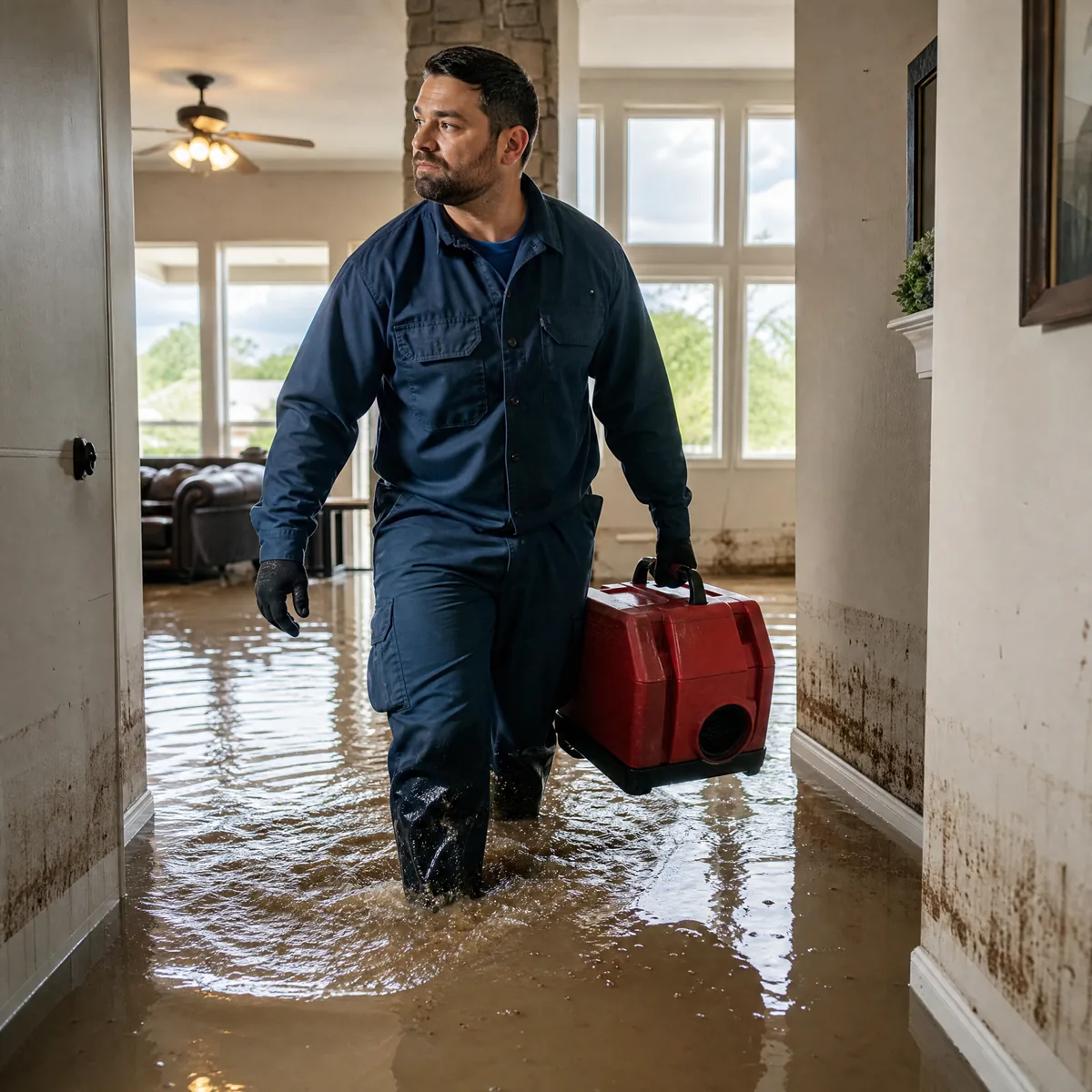
For a water loss in Rancho Vista, describe where the water appeared and what has already been repaired. A dishwasher release, broken supply line, or leaking heater can affect more than the original room. Continuous flooring, built-in cabinets, and shared wall bases can hide part of the path.
Call (866) 552-5141 with the full address, the source if known, and whether water is still entering. The independent provider confirms coverage, availability, and the initial assessment. Explain any plumbing, roofing, or other source work already completed.
Start with the source and the nearby rooms
Tell the provider whether the wet space is a kitchen, laundry room, garage, or upper floor. Mention damp trim, a stain below, or water near an adjoining closet. Do not move heavy appliances or remove finishes to make the initial report more detailed.
If an appliance technician or plumber has visited the Rancho Vista property, keep the findings. A repaired component is useful information, but the restoration assessment still needs to explain the affected building materials and the proposed drying or removal.
The cleanup should follow the water path
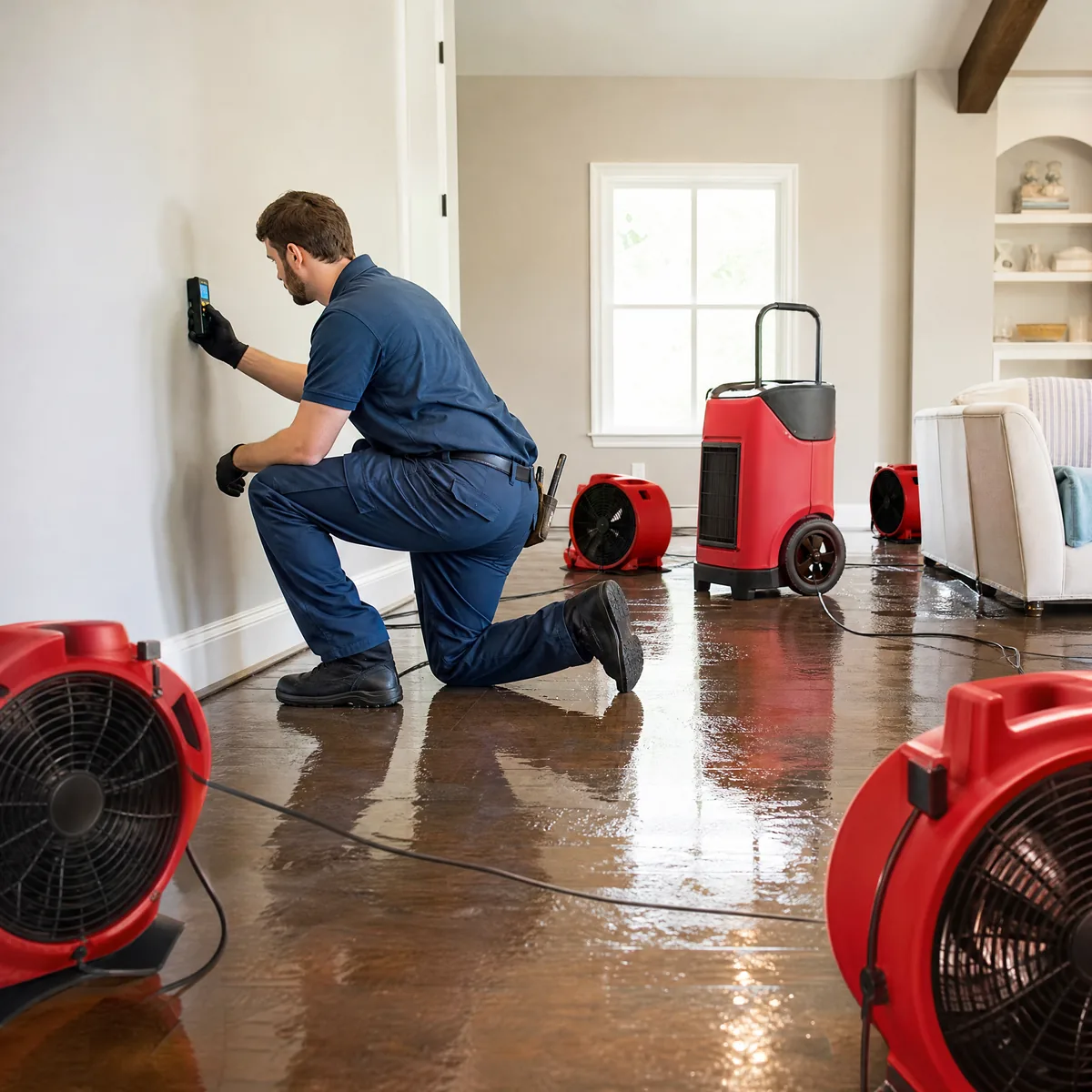
Accessible water removal is one part of the work. The assessment should also consider adjoining rooms, wall bases, cabinets, flooring layers, and concealed areas where appropriate. Ask which materials are affected, what access is needed, and how the provider reached those conclusions.
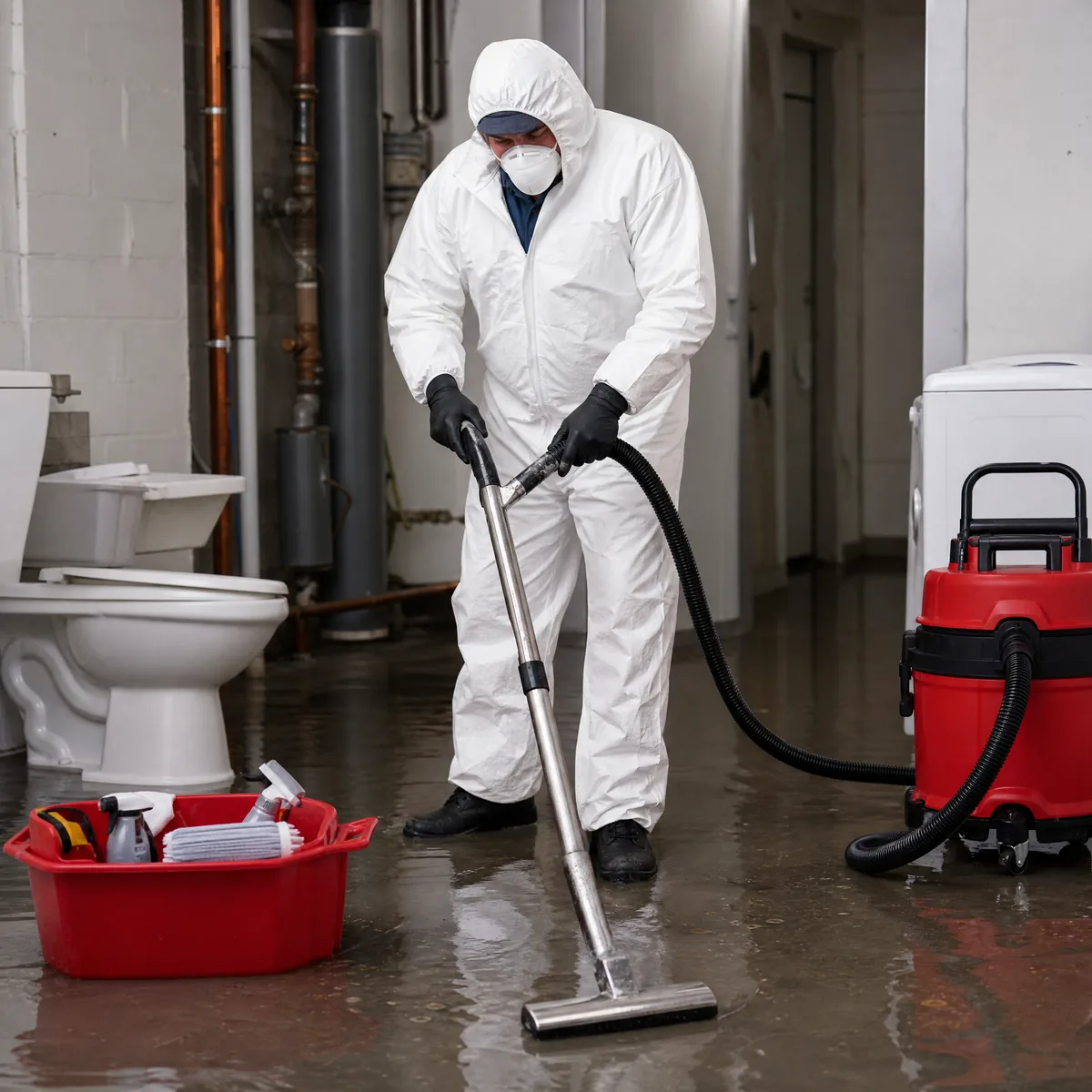
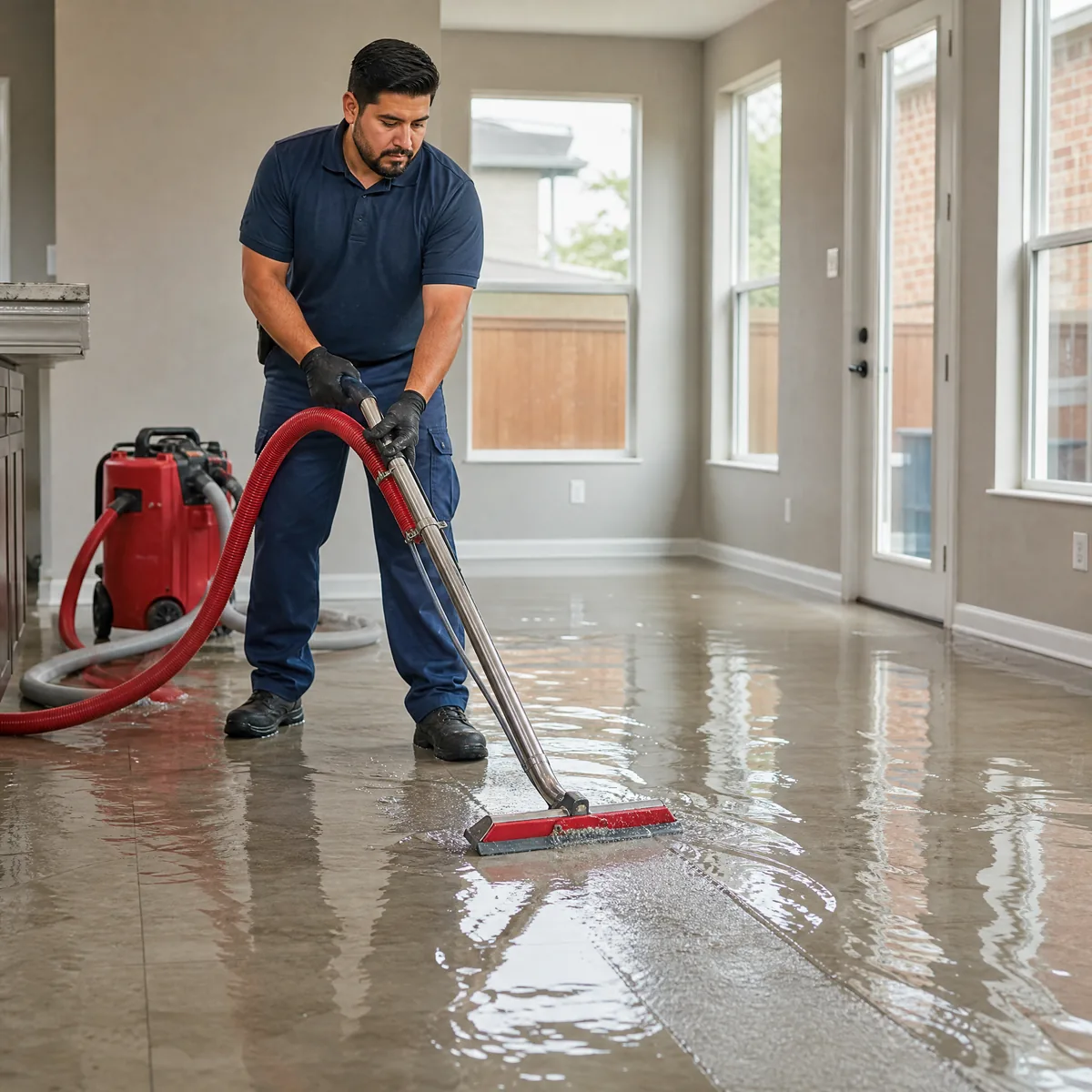
The proposal may include extraction, cleaning, selective removal, and monitored drying. Confirm which stages are included and what finished repairs remain. If the source is still active, discuss how it will be controlled before assuming the building can stay dry.
Prepare for the visit without entering unsafe areas
Describe what you can observe from a dry location. Keep clear of wet electrical devices, unstable ceilings, sewage, and water of uncertain safety. Do not enter a flooded crawl space or lower room to collect extra details. For immediate danger, leave the affected area and contact emergency services.
Have the unit or suite, safe entrance, and authorized property contact ready. Ask which company will attend, the current arrival window, and any initial charges. Photograph the loss only where it is safe, and retain source-repair information for the assessment.
Understand the scope before the repairs begin
The provider should explain what will be retained, cleaned, moved, or removed and how drying progress is checked. Request written terms and a clear process for additional findings. A surface that feels dry is not a complete assessment of the materials behind it.
Keep claim questions with your insurer. Photographs, repair details, moisture records, and invoices can help explain the event, but the restoration provider does not determine insurance coverage. Return to the full service-area guide or service directory for other property situations.